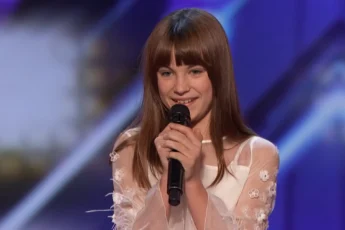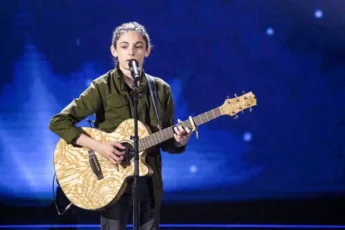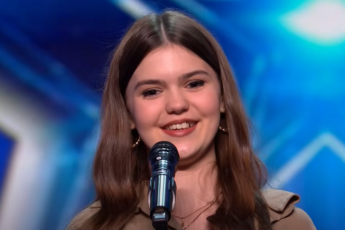
The rock band SOS recently took the stage at Britain’s Got Talent and delivered a performance that genuinely shook up expectations of what a modern “boyband” can look and sound like. From the moment they walked on stage, there was already a sense that they weren’t going to follow the typical formula. These weren’t choreographed smiles and matching outfits—they were childhood friends and brothers carrying guitars, amps, and a clear sense of identity. What followed was anything but predictable.
Instead of leaning into the polished pop style that audiences often associate with boybands, SOS went in a completely different direction. They took a well-known Backstreet Boys classic—one of those songs nearly everyone in the audience could hum without thinking—and flipped it on its head. The familiar melody was still there, but it was wrapped in distortion, pounding drums, and a heavier, more aggressive arrangement that immediately grabbed attention. It felt like a collision of eras: the nostalgia of the 90s meeting the raw energy of modern rock.
As soon as the first chords hit, the atmosphere in the room shifted. You could see it in the audience’s reactions—some surprised smiles, a few raised eyebrows, and then quickly, people leaning in. By the time the lead singer launched into the first verse, his voice cutting through the instrumentation with a gritty edge, the crowd was fully locked in. He didn’t just sing the song; he reinterpreted it, adding intensity and emotion that gave the lyrics a completely new feel. What was once a smooth pop anthem suddenly felt rebellious and urgent.
The band’s chemistry played a huge role in making the performance work. Because they’ve grown up together, there’s an unspoken connection in how they play. The guitarist and bassist moved in sync without overthinking it, the drummer drove everything forward with tight, controlled power, and the transitions between sections felt seamless. It wasn’t just loud for the sake of being loud—there was structure, intention, and real musicality behind it.
One of the most striking parts of the performance was how they balanced familiarity with innovation. The audience could still recognize the song, which created an immediate emotional hook, but every chorus hit harder than expected. The breakdown section, in particular, stood out—it slowed things down just enough to build tension before exploding back into the final chorus, earning one of the biggest reactions of the night. It’s the kind of moment that sticks with you, even after the performance ends.
The judges’ reactions reflected that same mix of surprise and excitement. You could see them exchanging glances during the performance, clearly not expecting what they were hearing. When the final note rang out, there was a brief pause—almost like everyone needed a second to process what had just happened—before the applause erupted. It wasn’t polite clapping; it was loud, enthusiastic, and immediate.
Simon Cowell, known for his sharp critiques, leaned into a more probing response. He acknowledged their originality but pushed them on what their long-term direction might be. Should they continue reimagining well-known songs and dominate the covers space, or should they focus on building a catalog of original material? It sparked a moment of tension, but also a meaningful conversation. The band didn’t hesitate—they made it clear they believe in their own sound and want to evolve it further, whether through covers or originals.
That confidence seemed to resonate. Rather than coming across as defensive, they felt grounded and self-assured, which only strengthened their presence. The other judges echoed the sentiment, praising not just the performance itself but the risk they took. In a competition where playing it safe can sometimes be the easier path, SOS chose to stand out—and it paid off.
When the votes came in, the result felt almost inevitable: four yeses across the board. But more importantly, their performance didn’t end when they left the stage. It quickly sparked conversation online, with viewers debating everything from their genre-blending approach to the broader question of how rock fits into modern talent shows. Some praised them for bringing a fresh edge to a format that can sometimes feel repetitive, while others were simply excited to see rock music delivered with that kind of energy on such a big platform.
In many ways, SOS didn’t just perform a song—they made a statement. They showed that a boyband doesn’t have to fit a single mold, and that familiar music can still surprise people when it’s reimagined with creativity and conviction. It’s the kind of performance that lingers, not just because it was good, but because it challenged expectations in the best possible way.